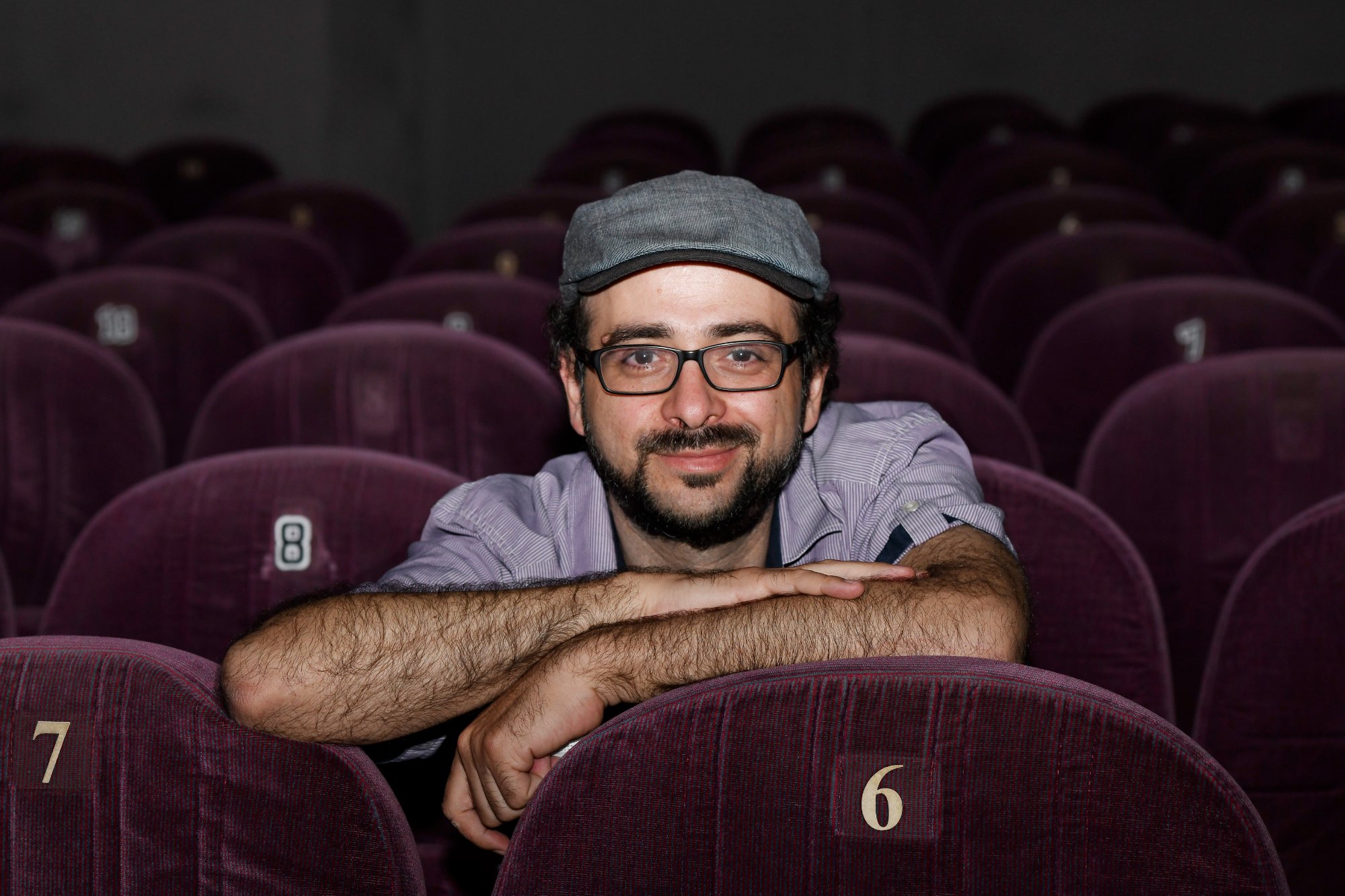
Uruguayan filmmaker based in Berlin since 2009 — brought by the DAAD Berlin Artists Programme. Three features, a TV series, documentary work, and ten short films — distributed by HBO, screened at Busan, Shanghai, and across four continents. Professor of Screenwriting and Directing, SRH University Berlin.
The short films are the laboratory. From Alguien debe morir (2002) to Dile que quiero verlo (2014), a constant: characters trapped in situations that force them to reveal something they would rather not know about themselves. Comedy and drama don't alternate — they coexist in the same shot. The tone shifts; the mechanism is always the same. Screened at Rotterdam, Oberhausen, Tampere, Clermont-Ferrand, Hamburg, and over forty international festivals.
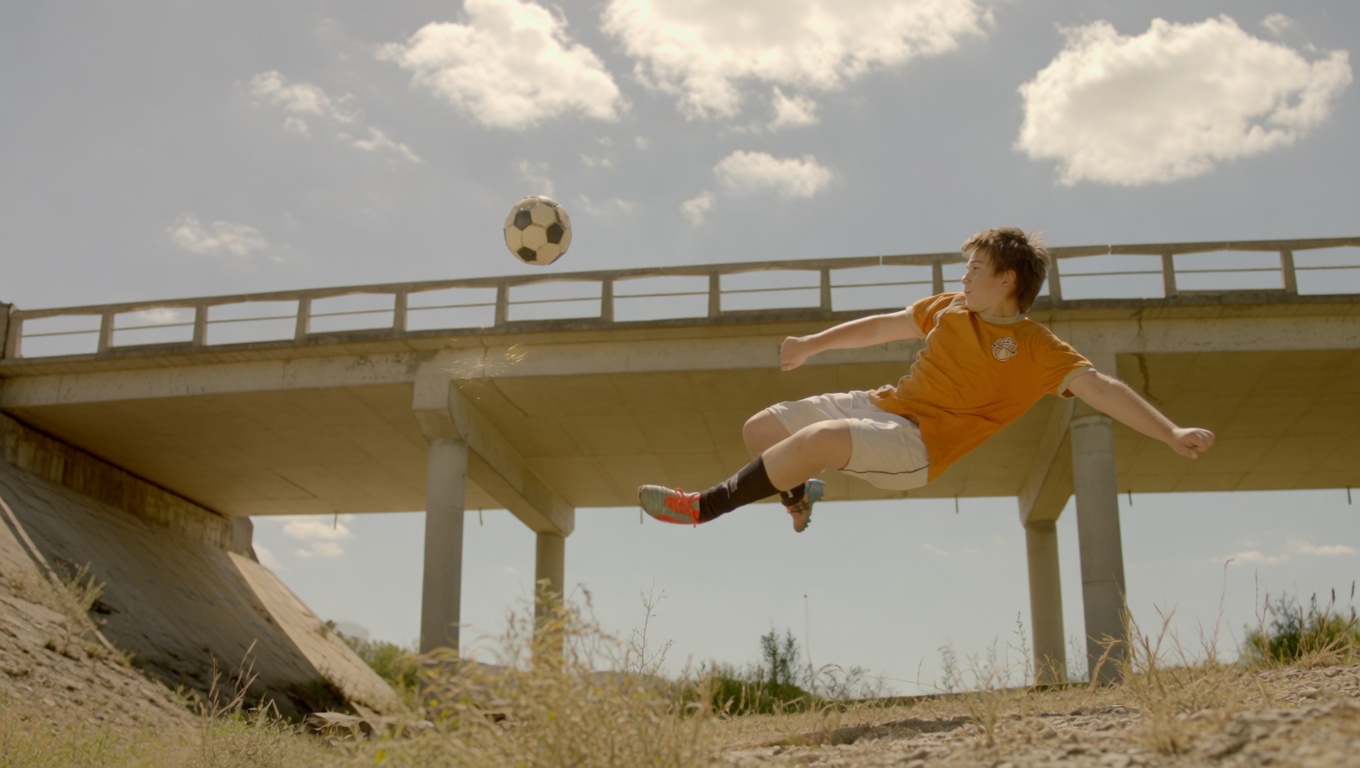
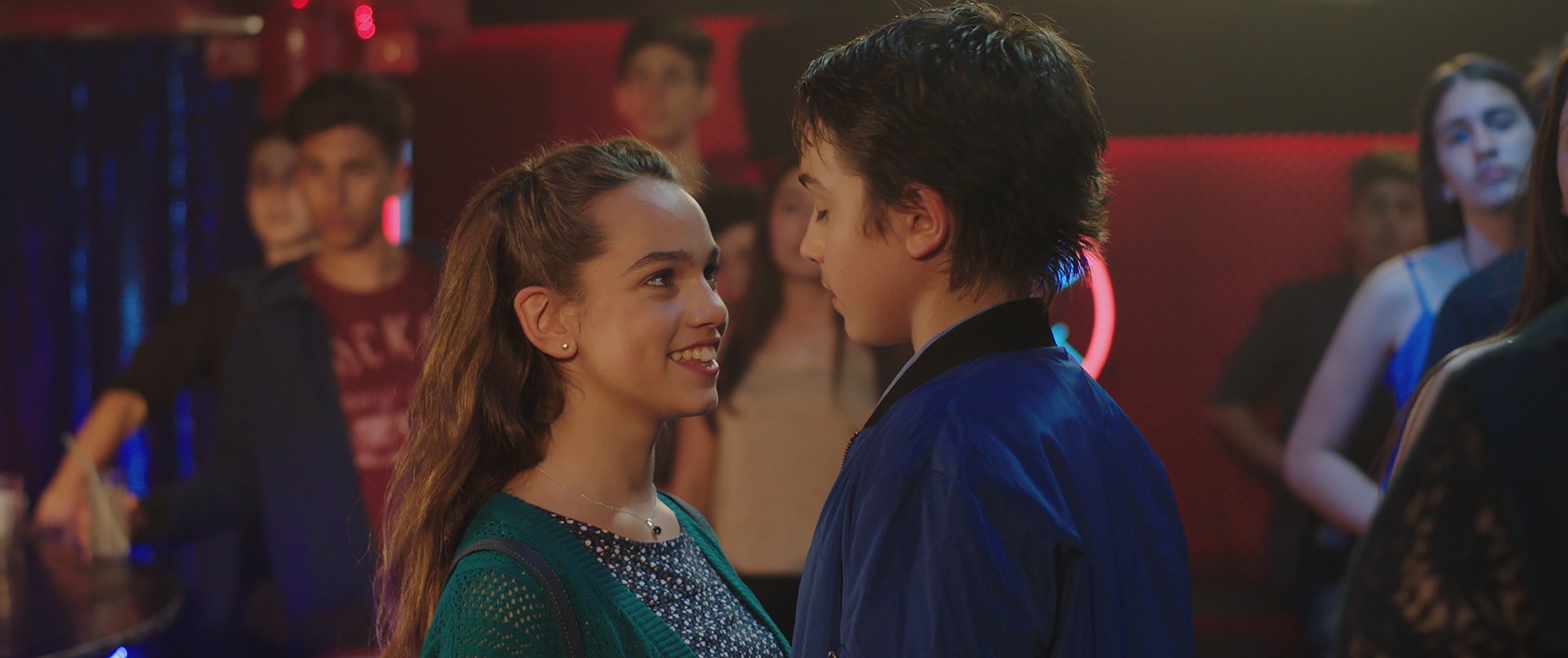
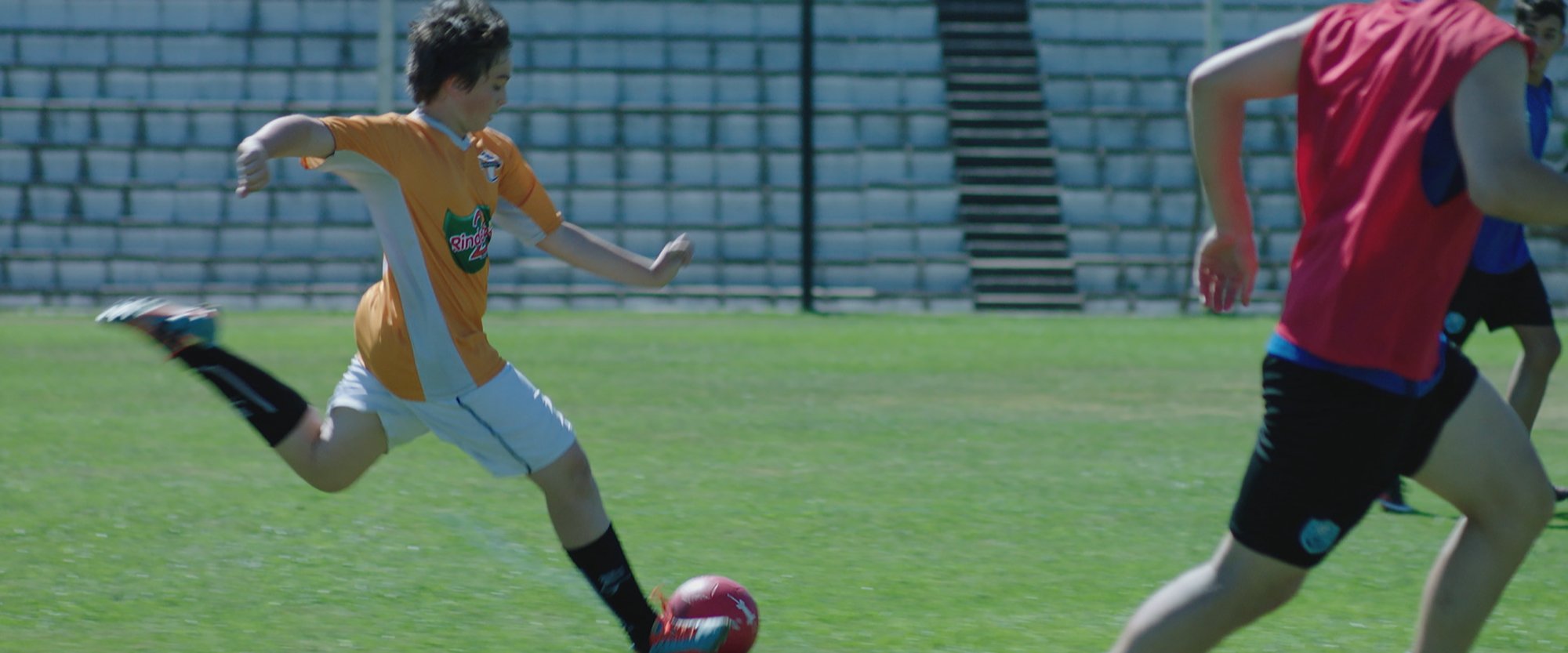
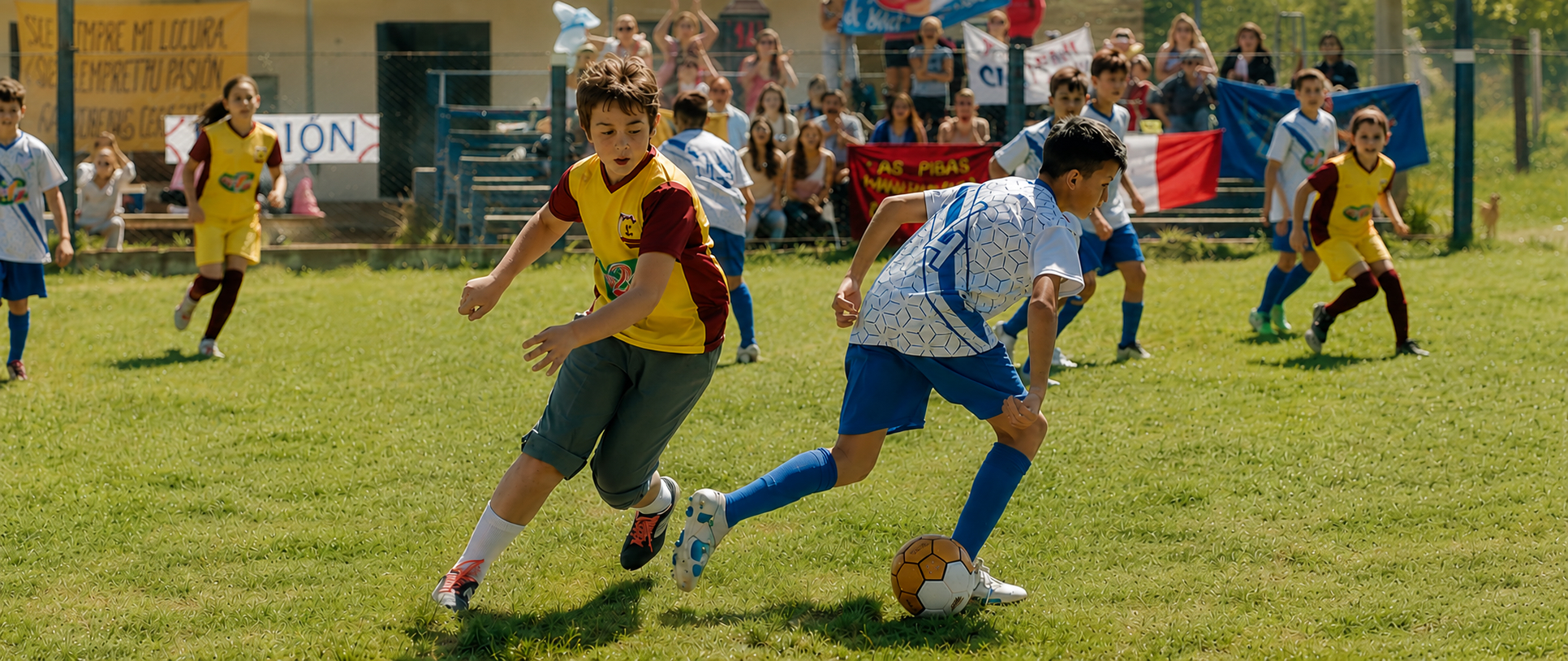
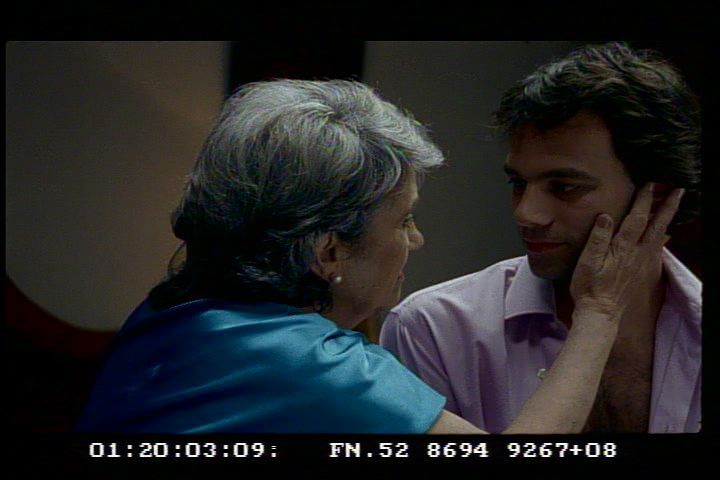
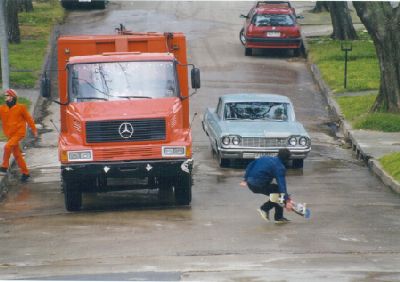
Tito, 13, lives in a fictional town in rural Uruguay. When a Brazilian scout spots him, the family seizes the chance — and the boy disappears into a machine that turns talent into money. A coming-of-age film about working-class aspiration, the exploitation of gifted children, and the long education of a neglectful father. Based on the novel by Daniel Baldi.
HBO Americas Distribution #1 Box Office · Uruguay Busan IFF Competition Ibermedia


At the antipodes of the usual soft family comedies that approach sport, Morelli takes his film through the cobbled paths of social and moral drama.
One of the most serious attempts by Uruguayan cinema at an industrial model: a classical narrative with dynamic, wit, and conviction.
The balance between pop cinema and a story with depth doesn't always work. In this Uruguayan film, it does. A small goal from midfield.
The tone is right, free of gravity. The story moves fast on and off the pitch — a few shots are enough to resolve complex action.
I was bored to death by Hollywood films costing $200 million — here I was entertained throughout and at times moved. Made with heart.
Home Team shows a boy's rise and fall with authenticity. A classic theme about overcoming obstacles and finding the meaning of life in love of family.
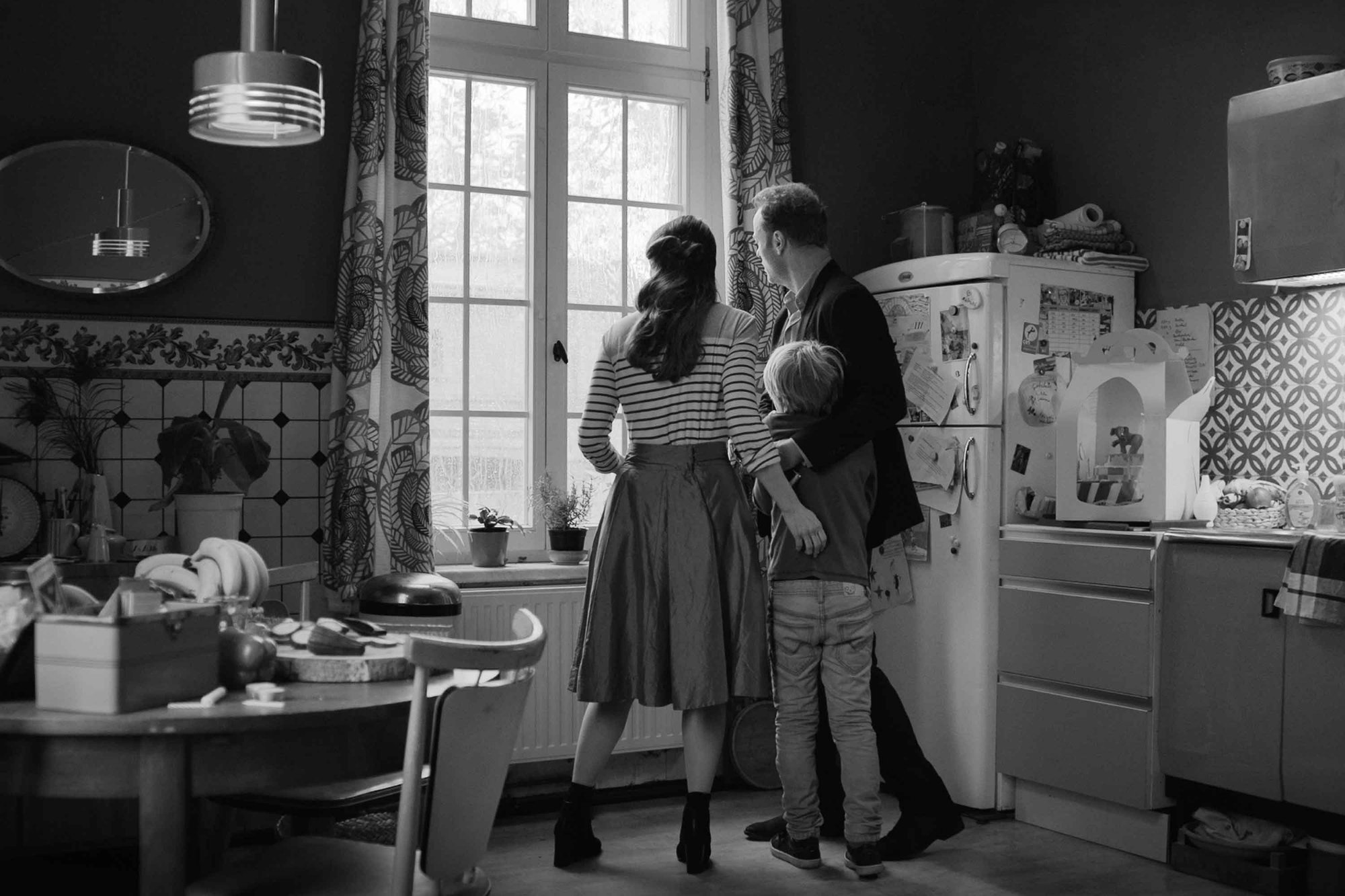
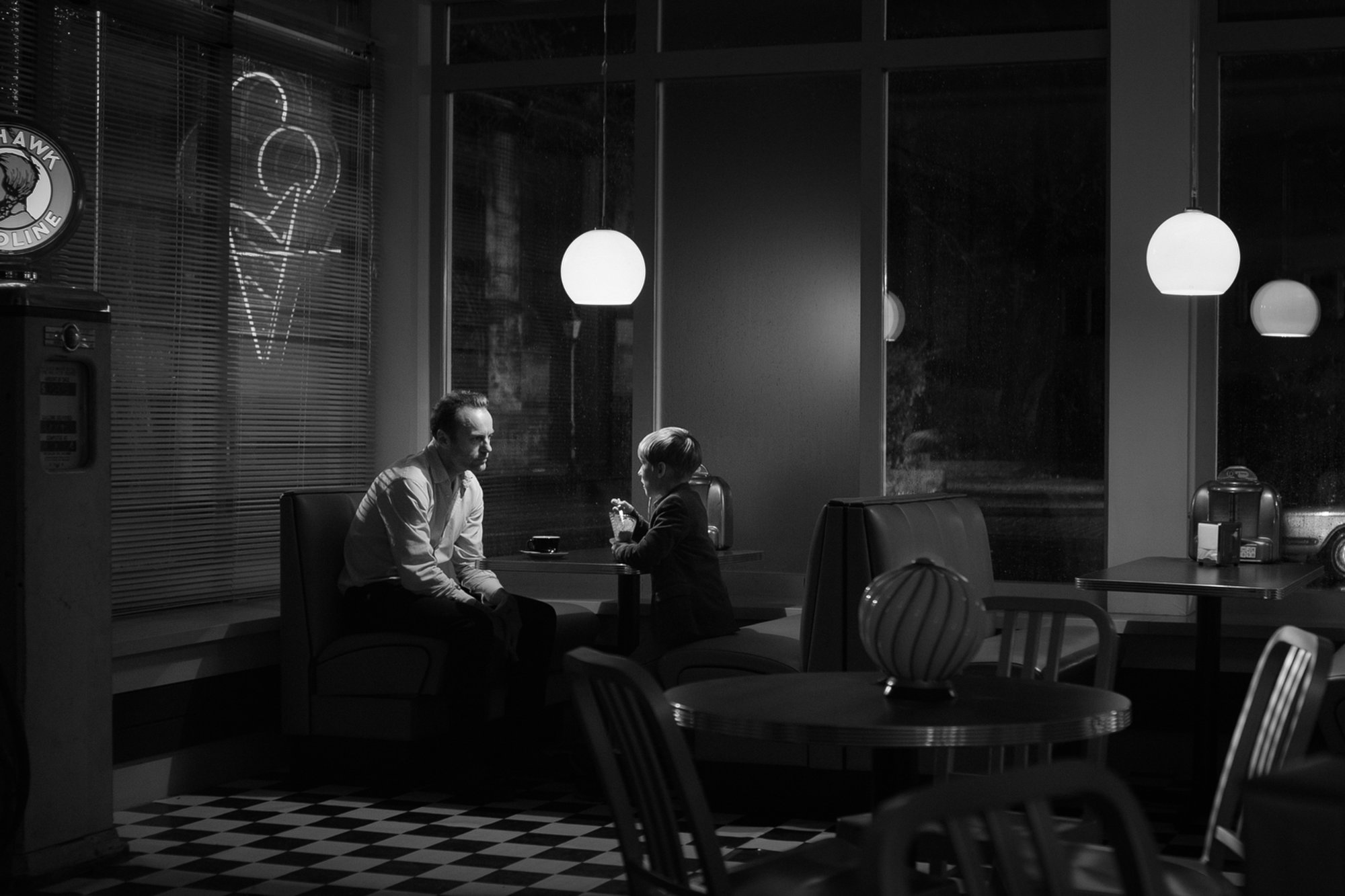
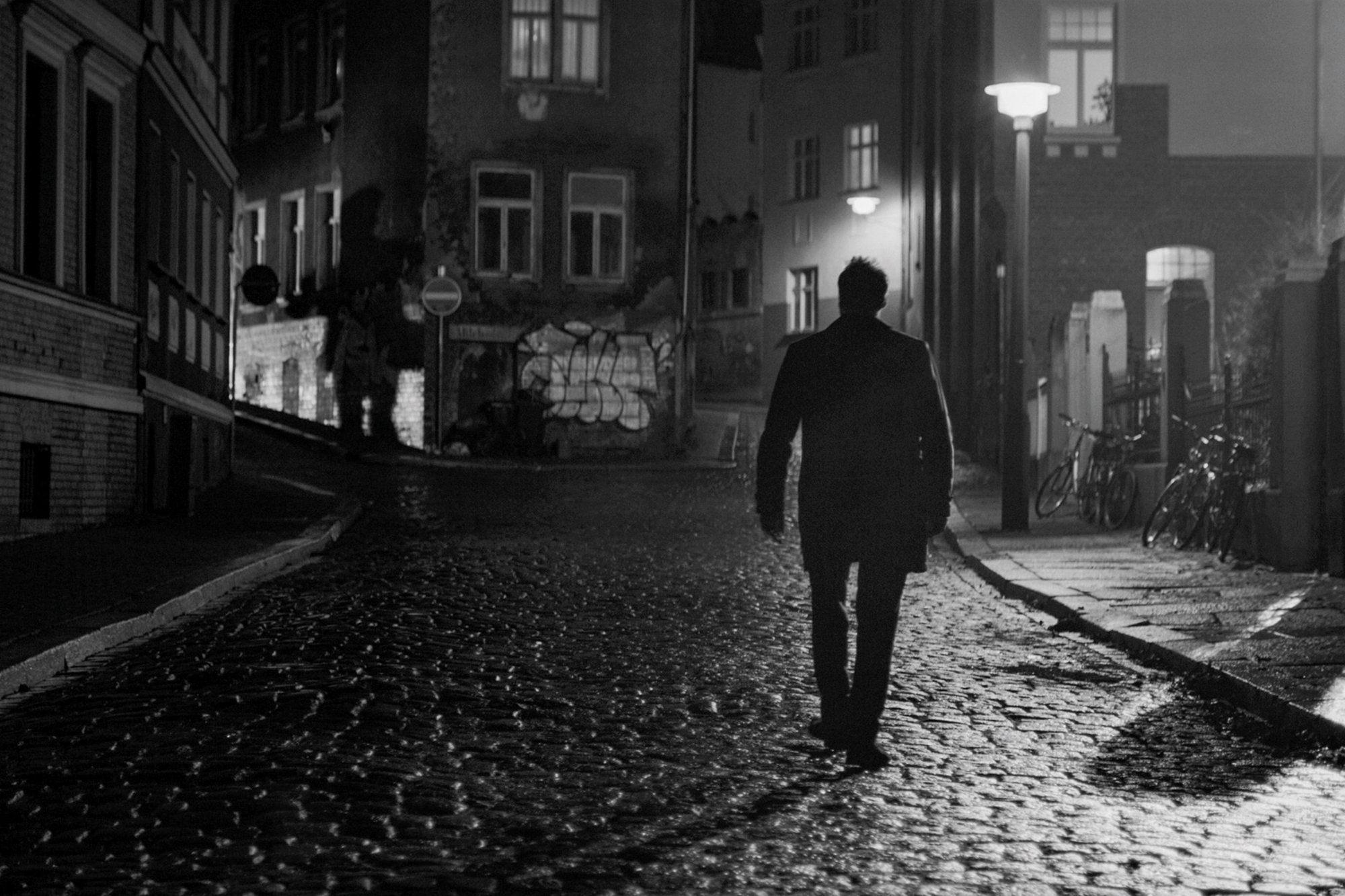
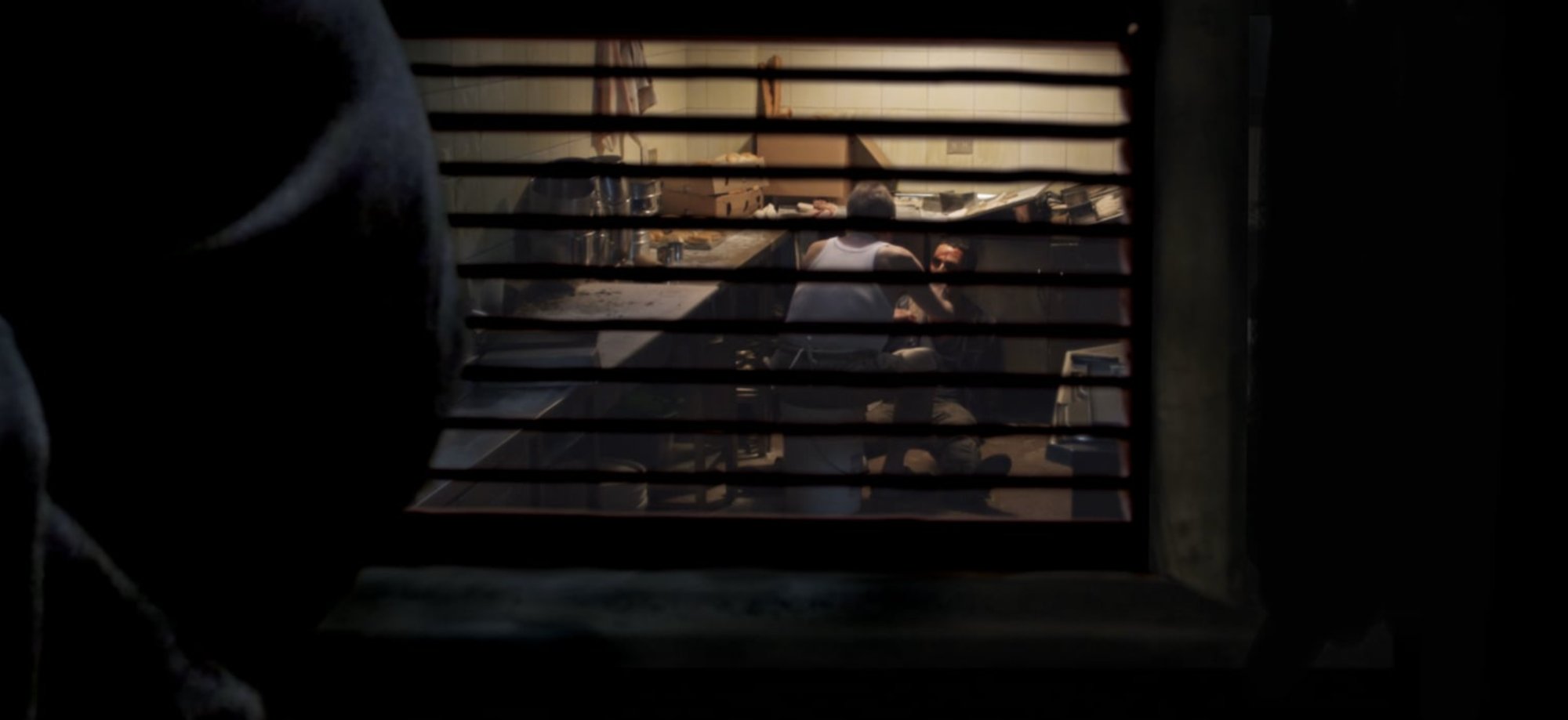
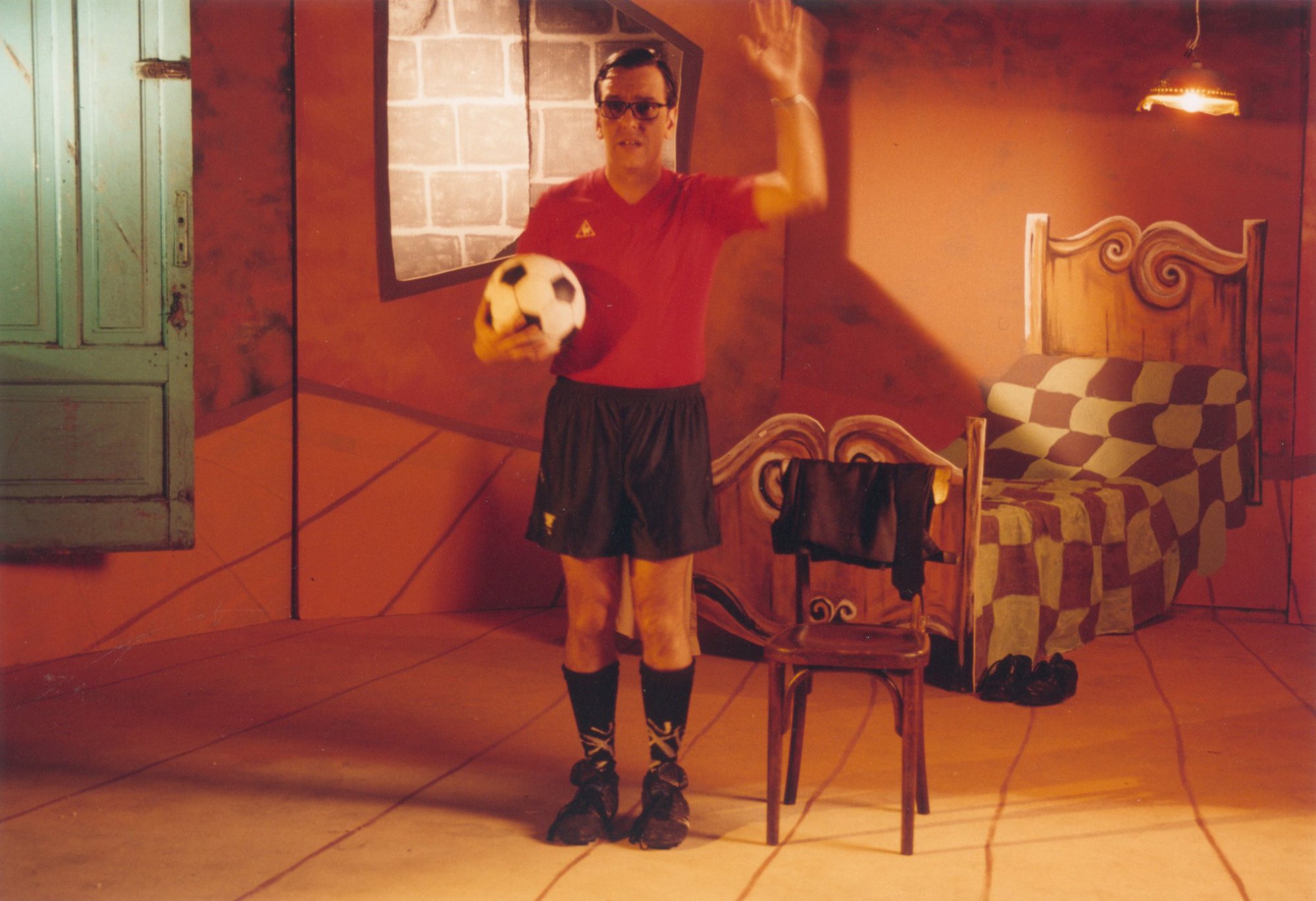
A birthday party goes wrong when a child is not picked up by his parents. Matthias — chronically absent, professionally distracted — finds himself navigating the rain-soaked streets of Halle in search of the boy's family. A kafkaesque odyssey that becomes a journey into his own failure as a father. Structured in three chapters: Menschen, Katzen, Elefanten.
ZDF · Das Kleine Fernsehspiel FBW Besonders Wertvoll German Cinema Release

An unusual work that sets itself apart from conventional family drama. What makes Morelli's approach so compelling is the level of abstraction with which he tackles the material.
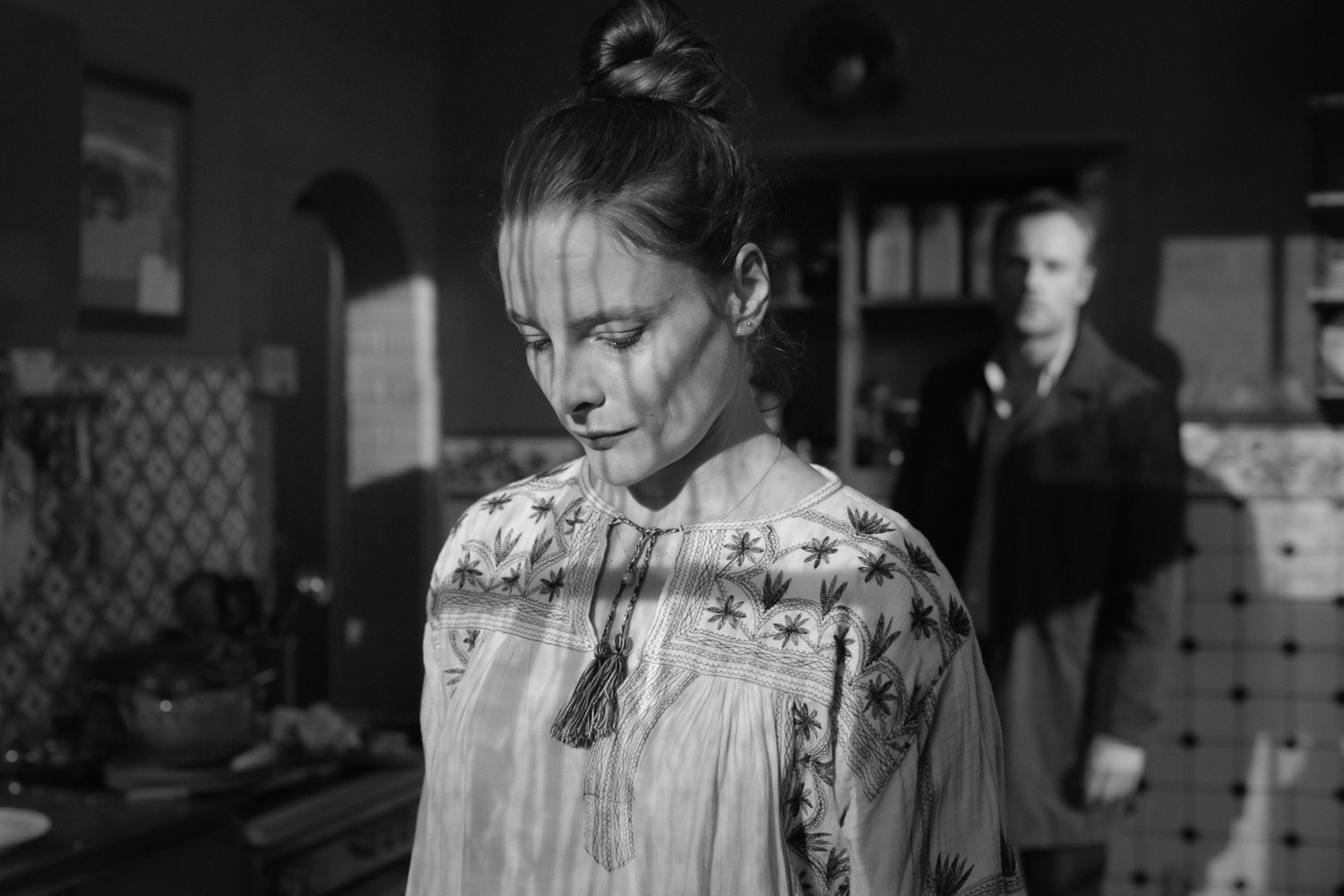
Morelli crosses family drama with film noir — wonderful black-and-white photography and a mournful jazz trumpet. As mad as it may sound: it works.
He stages the domestic conflict not as a grey-toned social drama but as film noir, in razor-sharp, polished images that explore the full richness of black and white contrast.
A furious, almost kafkaesque odyssey through a night full of adventure, strangeness, and absurd turns — where the borders between tragedy and black-humoured surrealism dissolve.
Der Geburtstag is a small masterpiece — a fascinating journey not only through old Halle and a children's birthday party, but into the depths of a battered and then reborn soul.
An aesthetically interesting film. The combination of black-and-white cinematography and cool jazz creates an atmosphere in which the characters' actions read as metaphor.
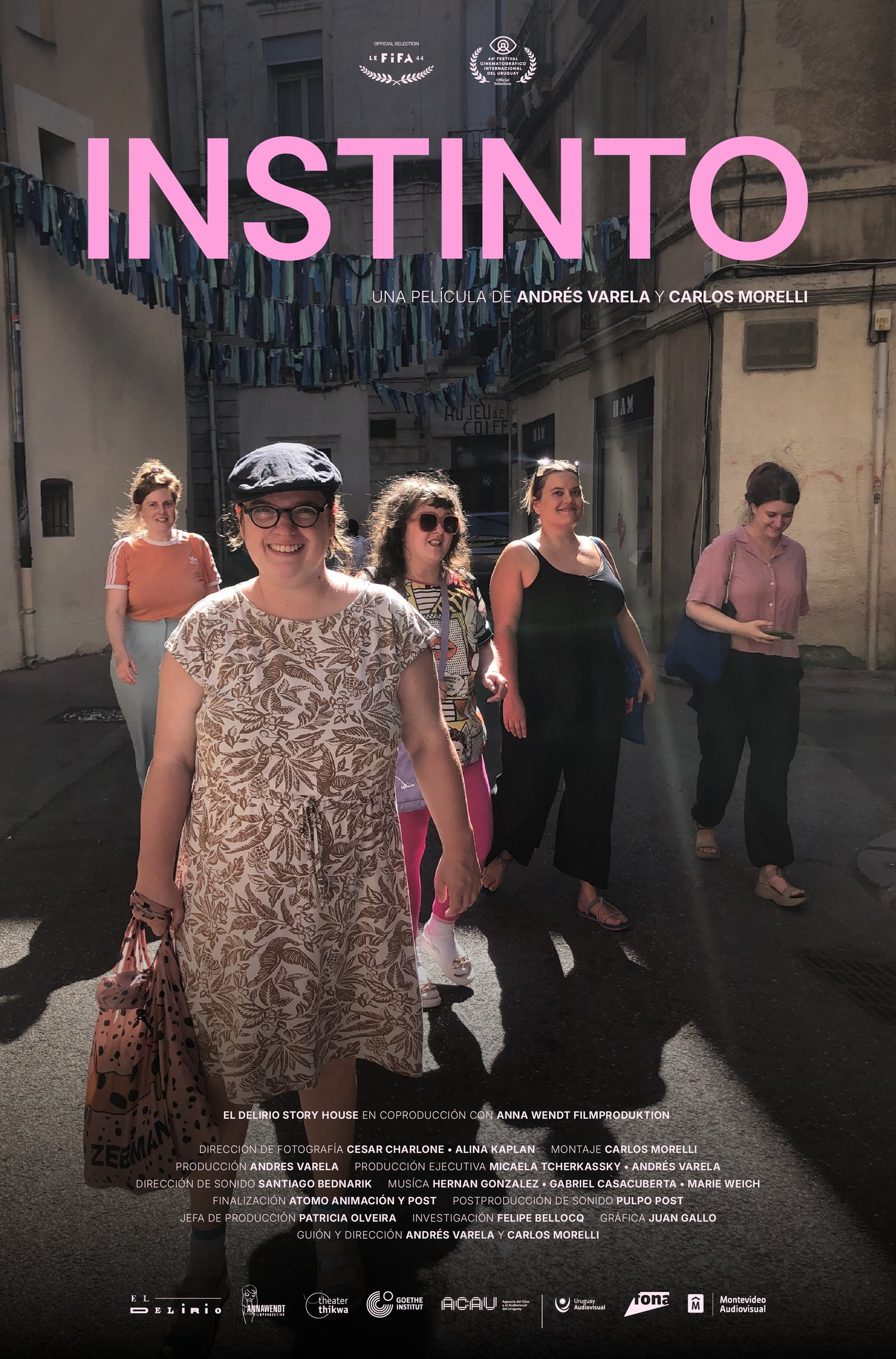
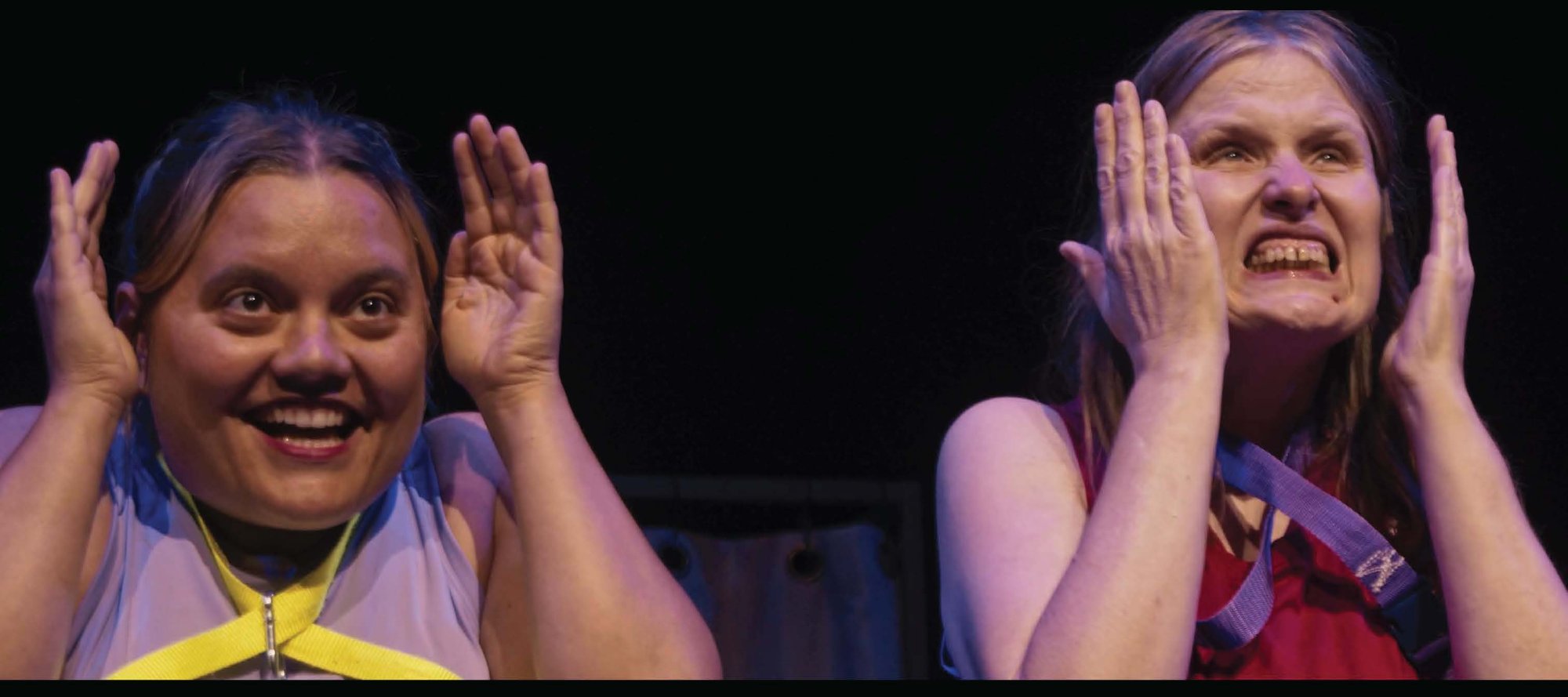
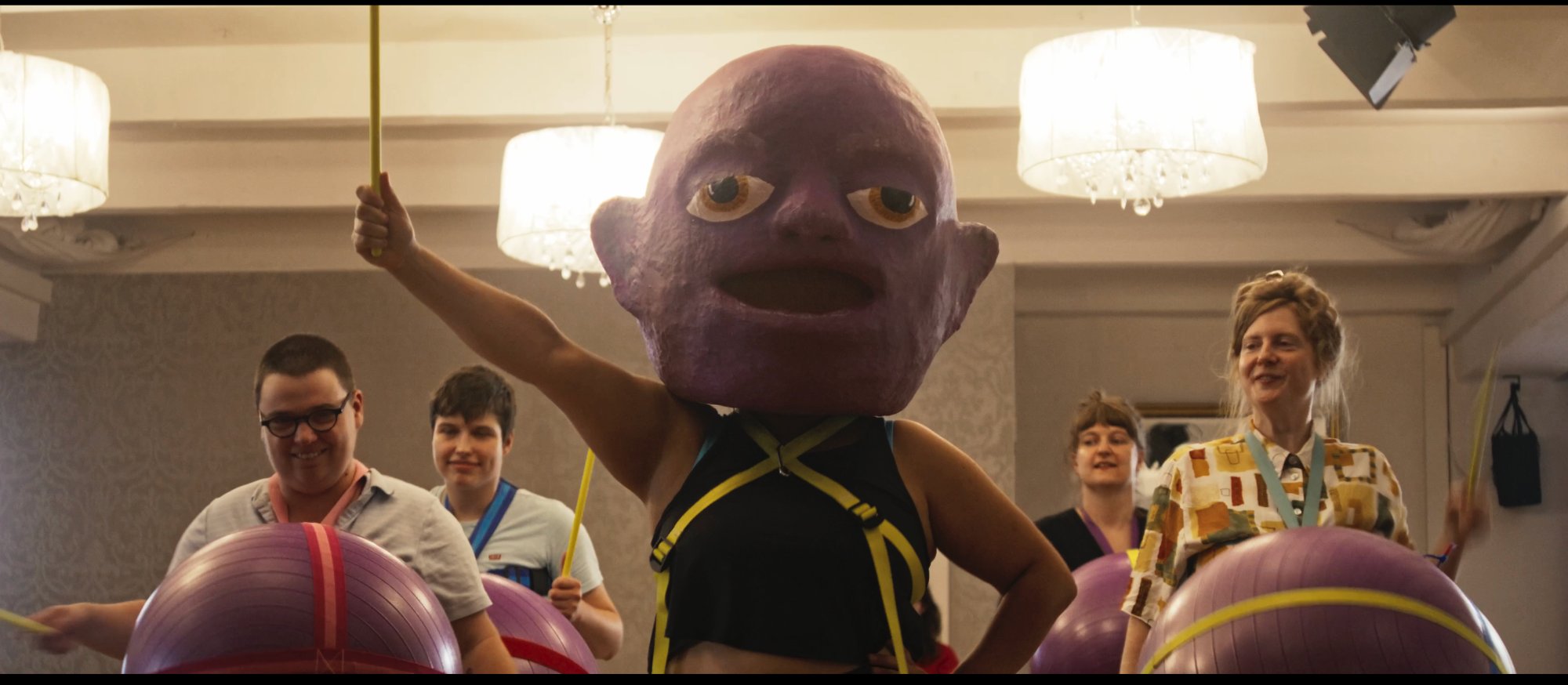
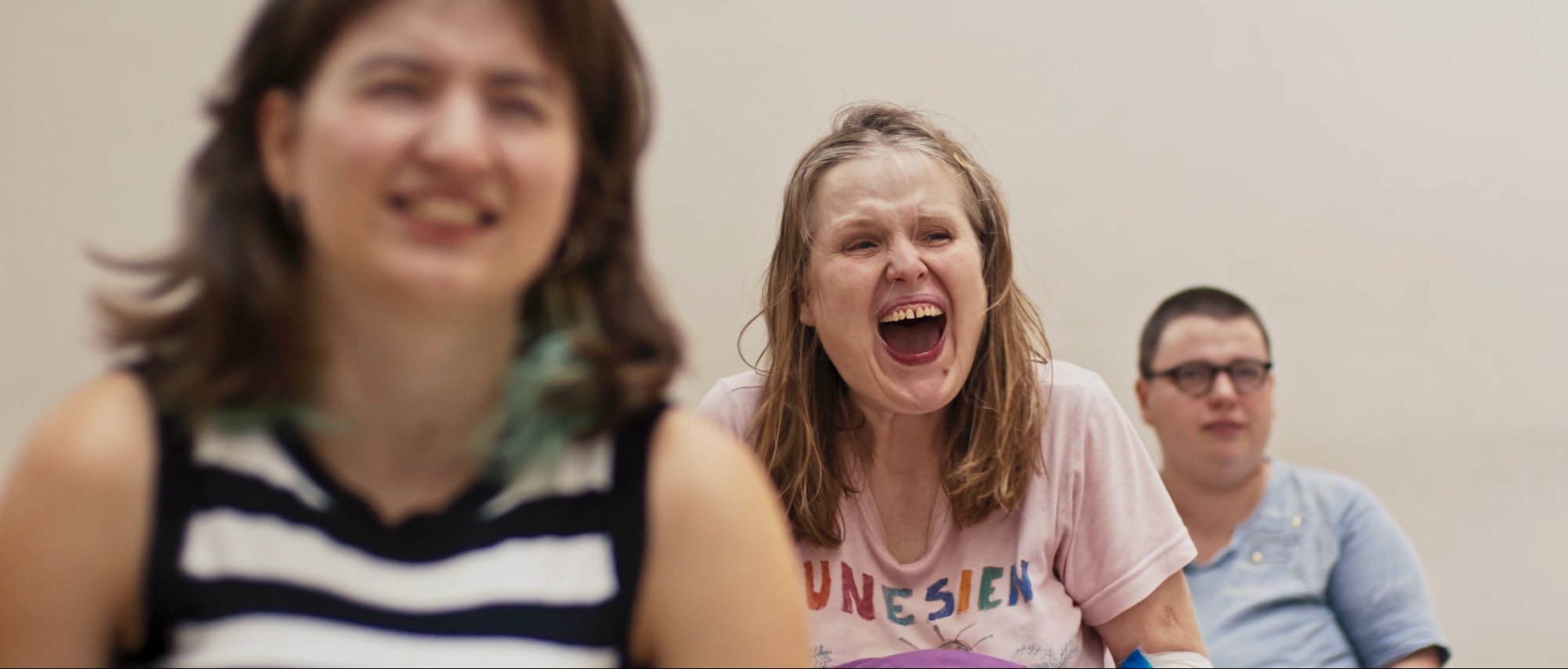
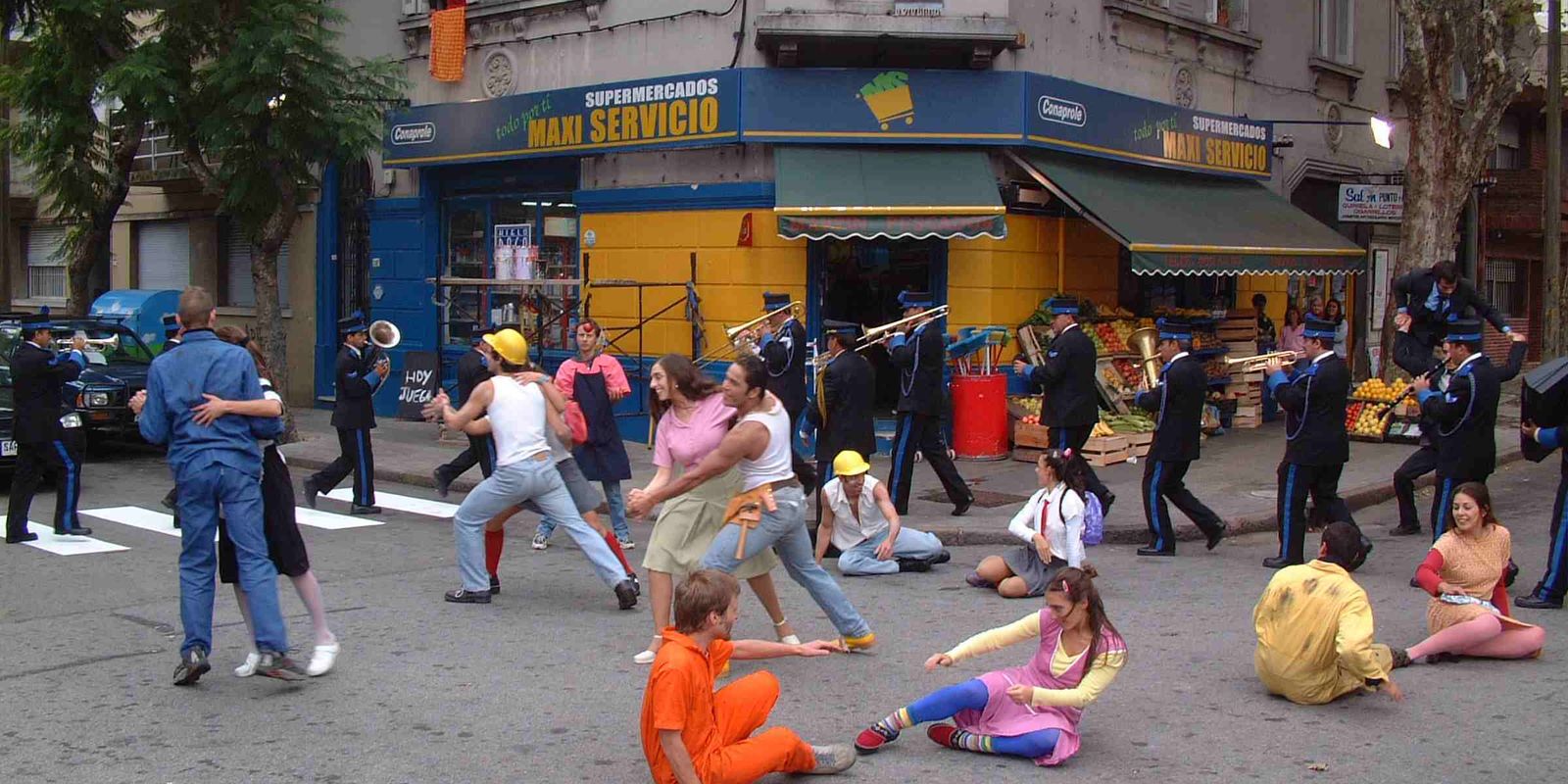
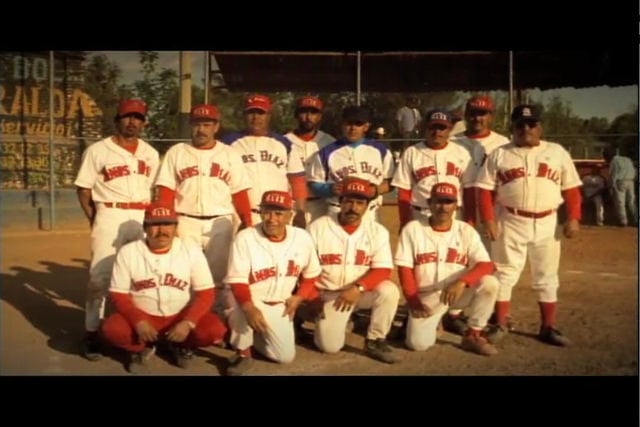
Theater Thikwa — Berlin's award-winning inclusive theater, where artists with and without disabilities perform together — makes its first journey to Uruguay. The film follows the company across borders, tracking what bodies carry when they travel: artistic risk, collective memory, and the particular displacement of artists who belong everywhere and nowhere. Co-directed with Andrés Varela. DoP: César Charlone.
Premio FONA 2024 Le FIFA Montréal 2026 Goethe-Institut · ACAU


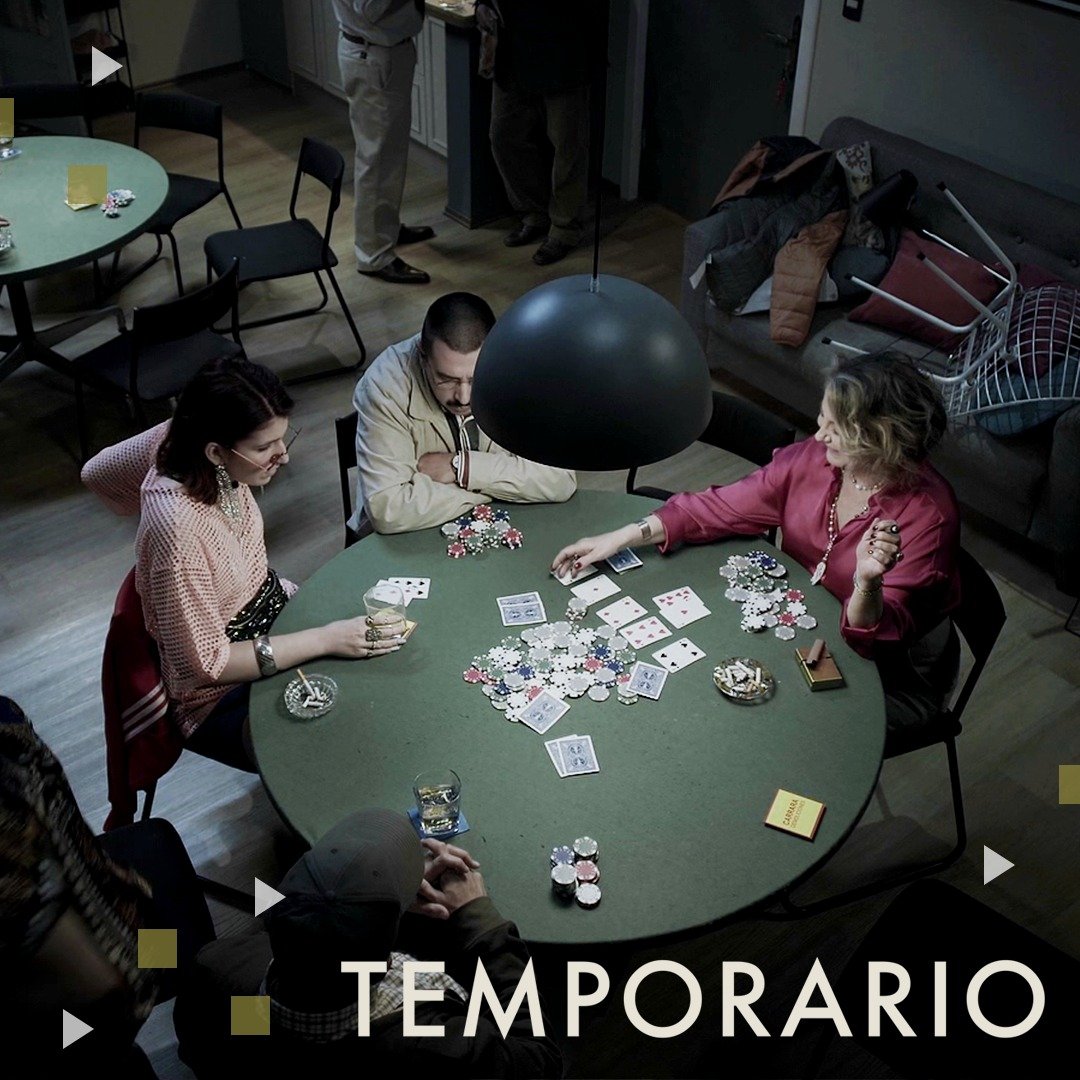
Eight stories set in the same Montevideo Airbnb apartment — each episode a different writer, a different genre, a different world. Morelli contributed as writer and director on two episodes. Produced at Teatro El Galpón, Uruguay's most celebrated theater, whose stage was converted into a full TV set. Created by Esther Feldman (Okupas, En Terapia), with artistic coordination by José Miguel Onaindia and general direction by Guillermo Casanova.
Canal 10 Uruguay Premio Montevideo Audiovisual
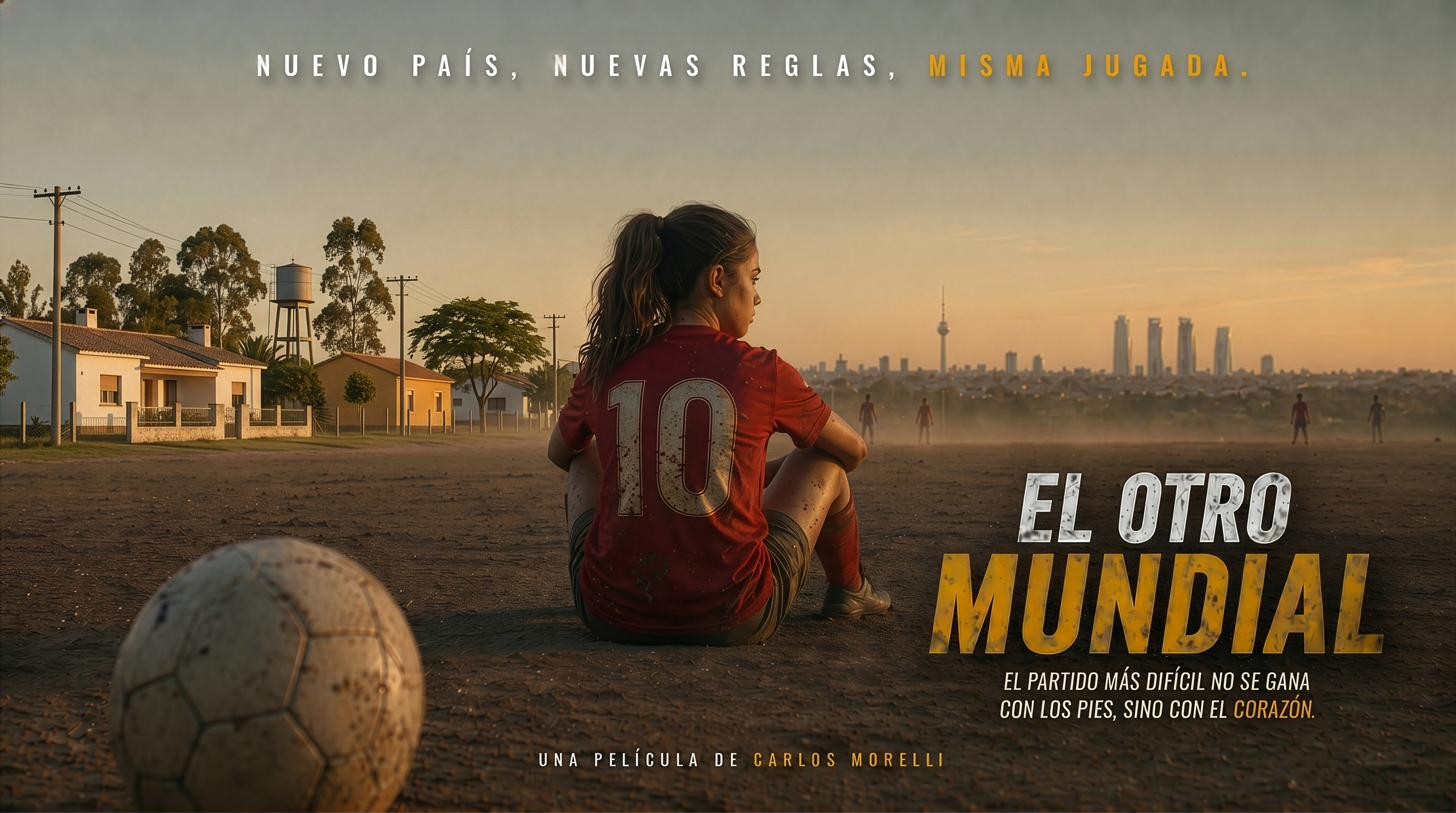
A Uruguayan girl moves to Madrid with her family during a World Cup year. Displacement, belonging, and the weight of a country still being learned to miss. Spin-off universe of Mi Mundial.
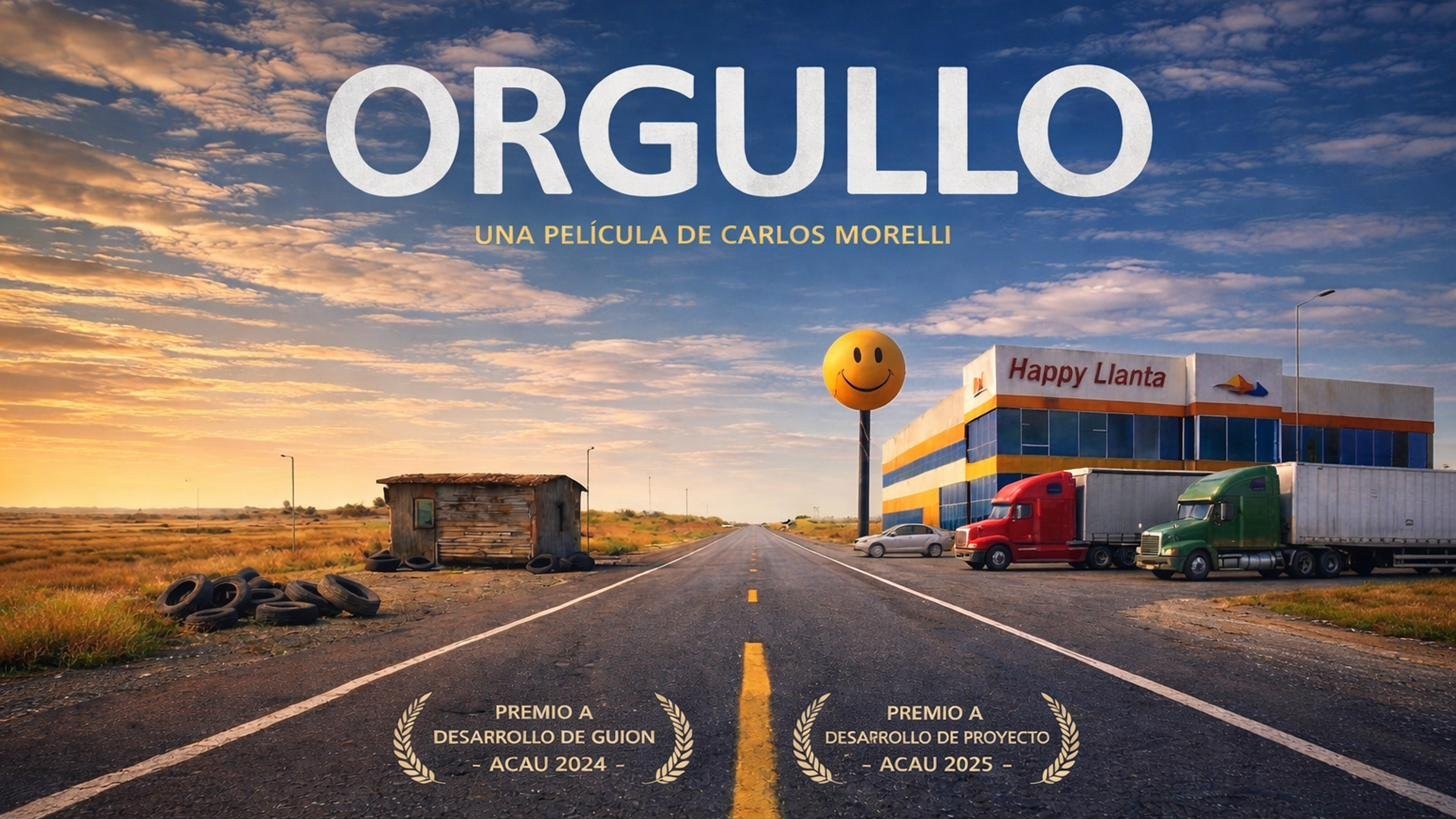
Set in Uruguay. A story of masculine pride, small-town dignity, and the particular absurdity of men who refuse to admit they've lost. Genre: dark comedy. Tone: mercilessly affectionate.
A sci-fi series built around the question of what makes a human being indispensable — or expendable. The premise is speculative; the social logic underneath it is not.
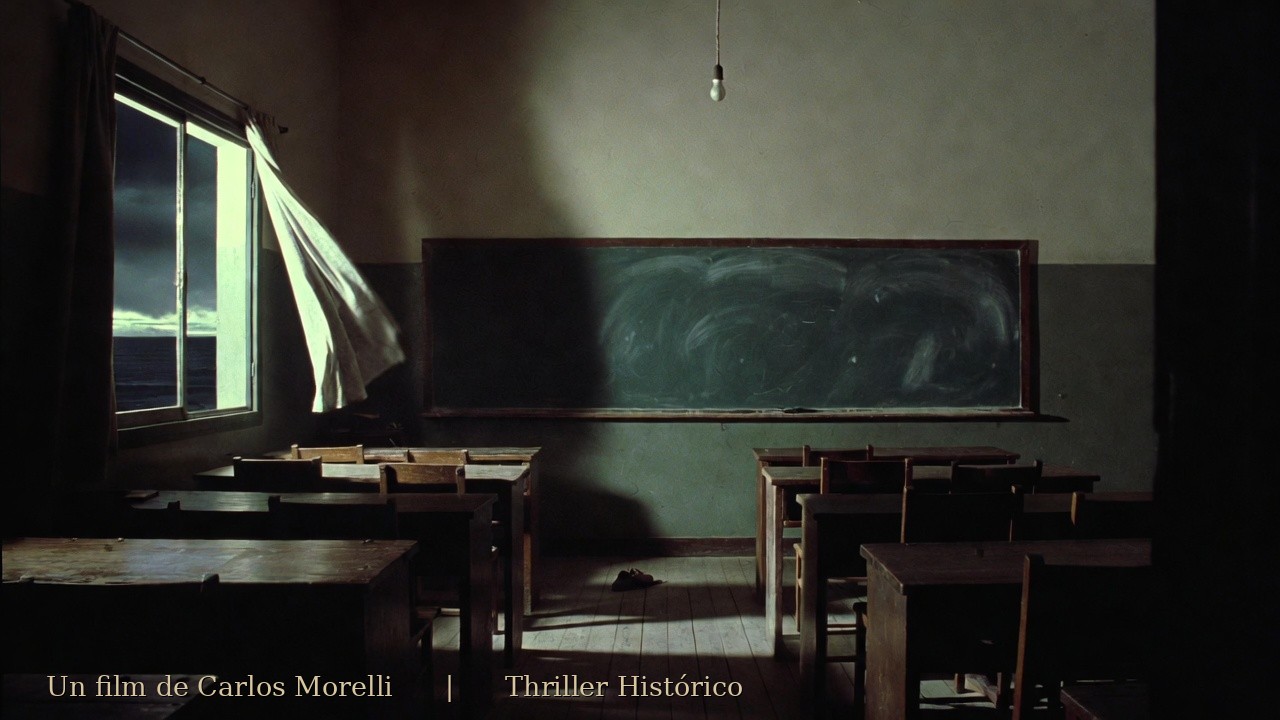
A story set inside a school. The institutional power of teaching — its quiet impositions, its loyalties, and the line between care and control.
Adaptation of the true-crime account of the Green River serial murders. A film about systemic failure, the invisibility of victims, and the institutional violence that allowed a killer to operate for two decades.
A sealed social world begins to fracture from within. The violence is institutional, the mechanisms invisible. Power, complicity, and the silence that keeps systems running.
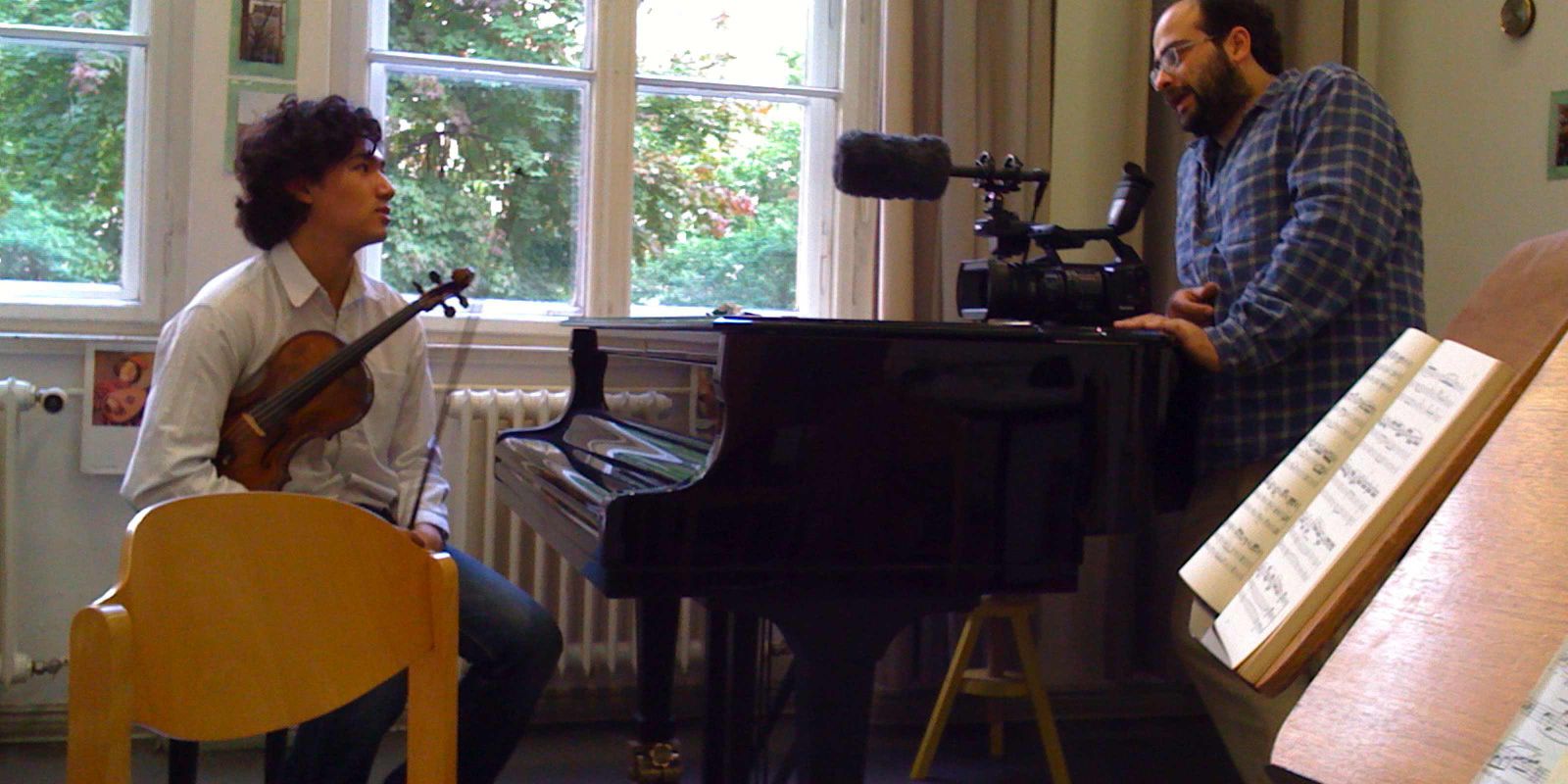
Carlos Morelli came to cinema sideways. First he was a violinist — trained at the Simón Bolívar conservatory in Venezuela, first violin in youth orchestras across Uruguay and Argentina. In 1999, a screenwriting course changed the direction entirely. What didn't change was the way he listens: for rhythm, for the weight of silence, for what happens in the space between two moments. He completed a BA in Audiovisual Production at Universidad ORT Uruguay, then a Master's in Feature Film Screenwriting at ESCAC in Barcelona (2004).
His early short films moved immediately. Alguien debe morir (2002) screened in Official Competition at Rotterdam. Breve historia de cómo se conocieron... took multiple first prizes at Rotterdam, Leeds, and Tampere — and began a consistent pattern: comedies that open onto something more uncomfortable, dramas with a lightness that keeps them from collapse. In 2004, the Berlinale Talent Campus. In 2005, Artist-in-Residence at the Modern Art Museum of Shanghai.
From 2005 to 2009 he taught dramaturgy at the University of Guadalajara. In 2008, the DAAD Berlin Artists Programme brought him to Germany — and he stayed. The short film Warisover, made during that residency, won the ARTE Short Film Award at Filmfest Hamburg 2011.
Mi Mundial (2017) was his feature debut — the highest-grossing Uruguayan film in cinema history. Der Geburtstag (2019) followed: a black-and-white film noir made for ZDF. Bauchgefühl (2024), a documentary co-directed with Andrés Varela, is his third feature. Full details, press, and trailers are in the filmography above.
He has worked as writer-director on two episodes of Temporario (Canal 10 Uruguay, created by Esther Feldman). Six projects are currently in active development with financing from Uruguay, Germany, and the UK. He teaches Screenwriting and Directing at SRH University Berlin and at the DFFB — and has taught across Spain, Mexico, Chile, China, and Uruguay.


Classical to contemporary models. Story logic, act architecture, scene construction. Applied to short and feature formats across fiction and documentary.
Concept to treatment to shooting script. Individual feedback cycles, group development, industry-facing pitch preparation.
Scene analysis, rehearsal methods, on-set communication. Psychophysical approaches and practical floor work.
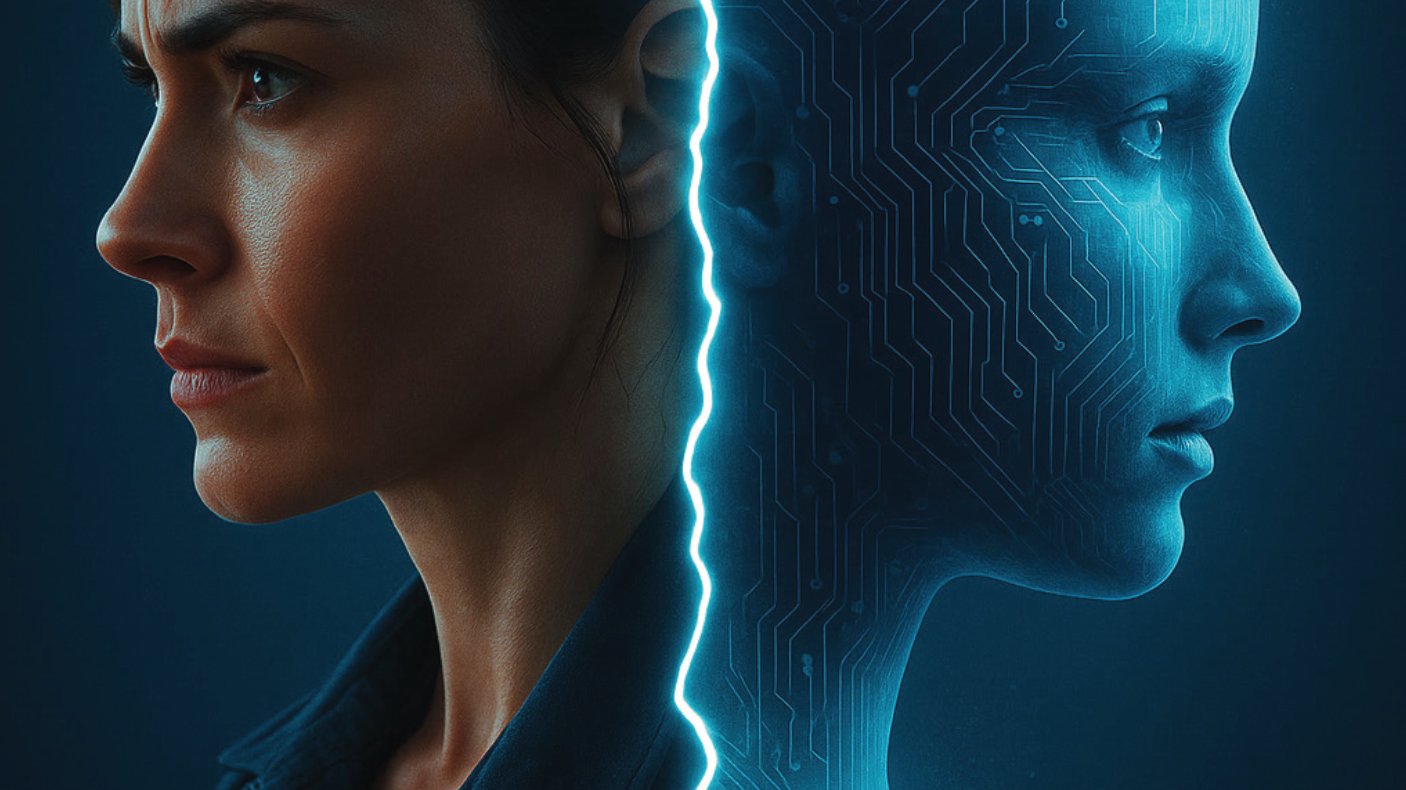
Critical and applied integration of AI tools in script development. Iteration workflows, dramaturgical evaluation, conceptual limits of assisted writing.
Funding landscapes, co-production treaties, pitch market strategy. European and Latin American structures.
Dramaturgical mentoring from concept through post-production. Cross-disciplinary approach to thesis film development.
He teaches as he directs: without concessions on structure, without impatience with process.
His methodology starts from a simple premise — the image tells the story, dialogue confirms it — and builds from there a rigorous system of dramaturgical analysis: from character desire to scene logic to the rhythm of a finished cut. Feedback is systematic, precise, and never generic. He has taught at universities across four continents — University of Guadalajara (Mexico), institutions in Spain, Chile, China, and the INAE (Uruguay) — and maintains a permanent position at SRH University Berlin alongside regular work at the DFFB.
For film development, co-production inquiries, teaching invitations, and speaking engagements.